





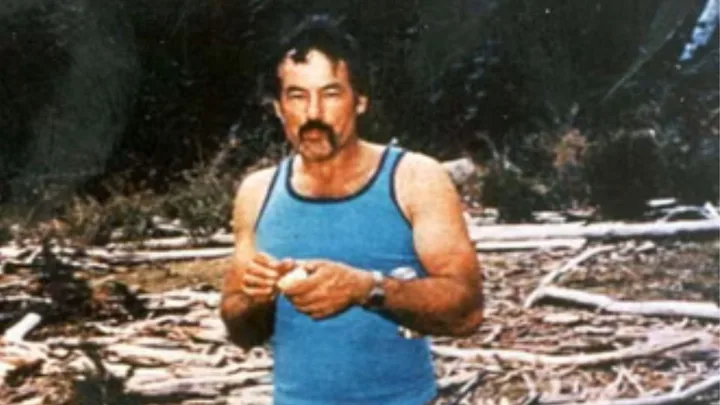
Ivan Milat is regarded as Australia’s most notorious serial killer. Now a new parilamentary inquiry could possibly link the backpacker killer to some of the 58 unsolved murders and missing persons cases in NSW from the 1970s to the late 1990s.
“It’s possible that Milat killed a number of those people but it would be prolific if he’d killed all 58,” criminal psychologist Tim Watson-Munro tells Woman’s Day.
He says wherever Milat worked, young women would disappear – like Keren Rowlands and Dianne Pennacchio who disappeared from Canberra and Queanbeyan in 1971 and 1991 respectively.
“Certainly, we felt beyond those he was convicted of [killing], there’s probably another nine or 10, but I don’t think he would be responsible for every unsolved disappearance on the eastern seaboard.”
In July 1996, Milat was found guilty of killing seven backpackers in Belanglo State Forest between December 1989 and November 1993.
He was sentenced to seven consecutive life sentences without the possibility of parole. Milat died from esophageal and stomach cancer at Long Bay Correctional Centre on 27 October, 2019.
MARAUDING SERIAL KILLER
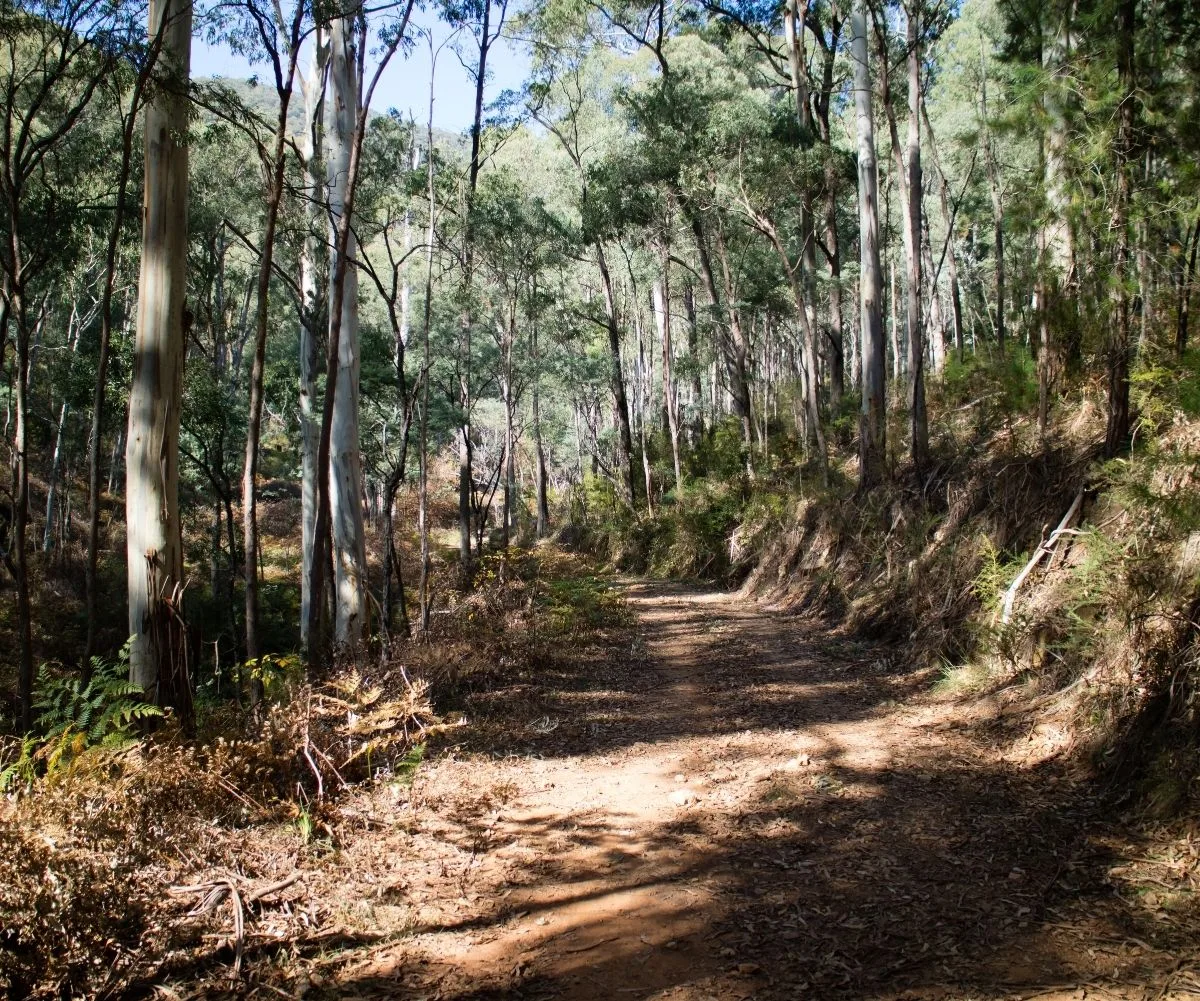
Tim, who has conducted extensive research on Milat, believes he is a marauding serial killer who’s hunting ground were the freeways and highways of New South Wales.
“Often travellers would hitchhike for weeks or months without having contact with their family, and of course mobile phones and social media didn’t exist, so he knew no one was going to be asking questions if they disappeared,” Tim says.
“Before Milat was arrested and charged but after the bodies were found in Belanglo, I was asked to do a profile and I said ‘This is definitely a serial killer who probably lives near the Hume Highway and has a certain killing ground’, which proved to be the case.”
Next month, a parliamentary inquiry led by NSW Upper House MP Jeremy Buckingham, will examine whether Milat was responsible for the deaths of several missing and murdered people from across Australia.
“The issue for us is how, from the early 1970s to the Belanglo murders, he was allowed to commit scores of abductions and opportunisitc homicidal killings,” Jeremy told the Daily Mail.
“He was recognised at crime scenes, in identikit images, and was never questioned or arrested. Coroners found him to be the person of interest at inquests.”
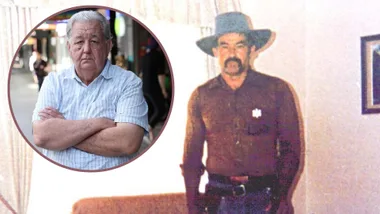

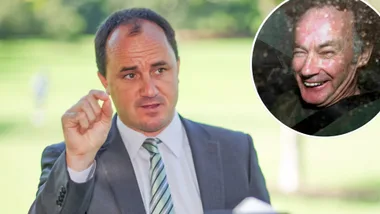
Jeremy also says witnesses in some of the cases that will be examined identified a man known as “the cowboy killer”, who was believed to be Milat.
“There was a task force called Fenwick before Task Force Air, which looked into 17 murders and failed to arrest or convict anyone, and it was only after a coroner slammed that the NSW Police formed the Unsolved Homicide Unit,” said Jeremy.
“Why was one of the worst serial killers in Australia let loose when police had already identified him as probably responsible for these 50 murders? NSW Police were well aware of the savagely brutal murders of beautiful women, sometimes in pairs, and then increasingly couples and men, and that they were connected to Milat.”
CASES UNDER THE MICROSCOPE
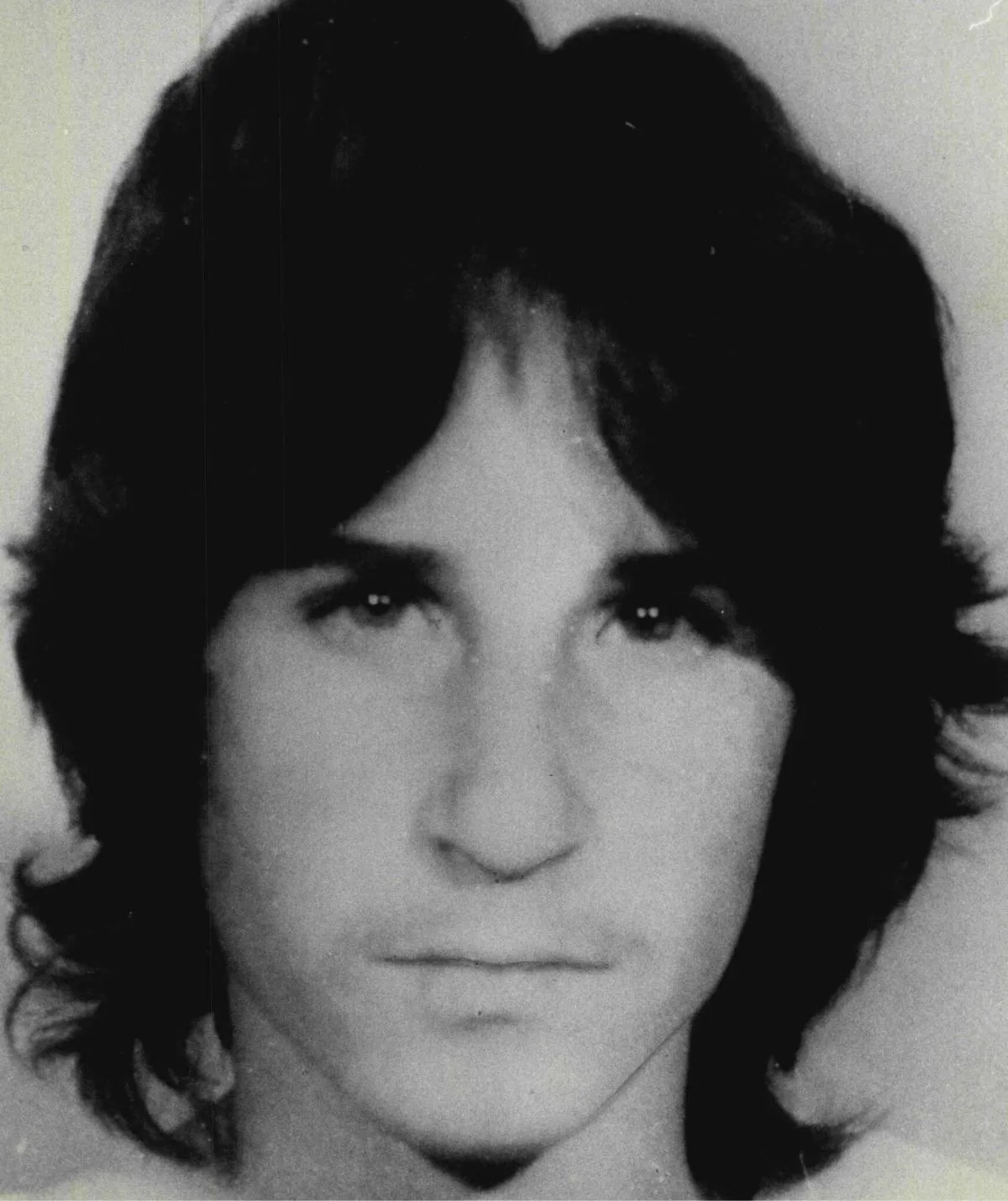
The parliamentary inquiry is expected to run over two years and will focus on many cases including the death of 18-year-old Peter Letcher.
He was last seen in November 1987 planning to hitchhike back to his family home in Bathurst from south-western Sydney, where Milat was living at the time – but he never made it back there.
Peter’s remains were found just two months later near the Jenolan Caves, and later forensic testing found he’d been stabbed and shot multiple times – just like Milat’s victims in Belanglo.
“There was a pattern to Ivan’s killings that had to do with his personal circumstances,” former NSW Police assistant commissioner Clive Small told News.com.au in 2013.
“With Ivan it was all about control and when Peter Letcher was murdered, Ivan had broken up with his partner.”
Tim believes Peter’s likely death at the hands of Milat proves the killer was not just targeting hitchhikers on the Hume Highway.
“It wasn’t just the Hume Freeway, he was also going west and conceivably travelling north as well.”
Like Stephen Lapthorne and Michelle Pope, who were last seen leaving Stephen’s West Pymble home on 25 August, 1978 in his lime green Bedford van heading towards Berowra in Sydney’s north.
In August 2005, a coroner found that the couple had died, most likely by Milat who was working around the area at the time, but the coroner handed down an open finding.
Stephen’s beloved lime green van was later found burnt out in 2017 in bushland just 50km south of Belanglo.
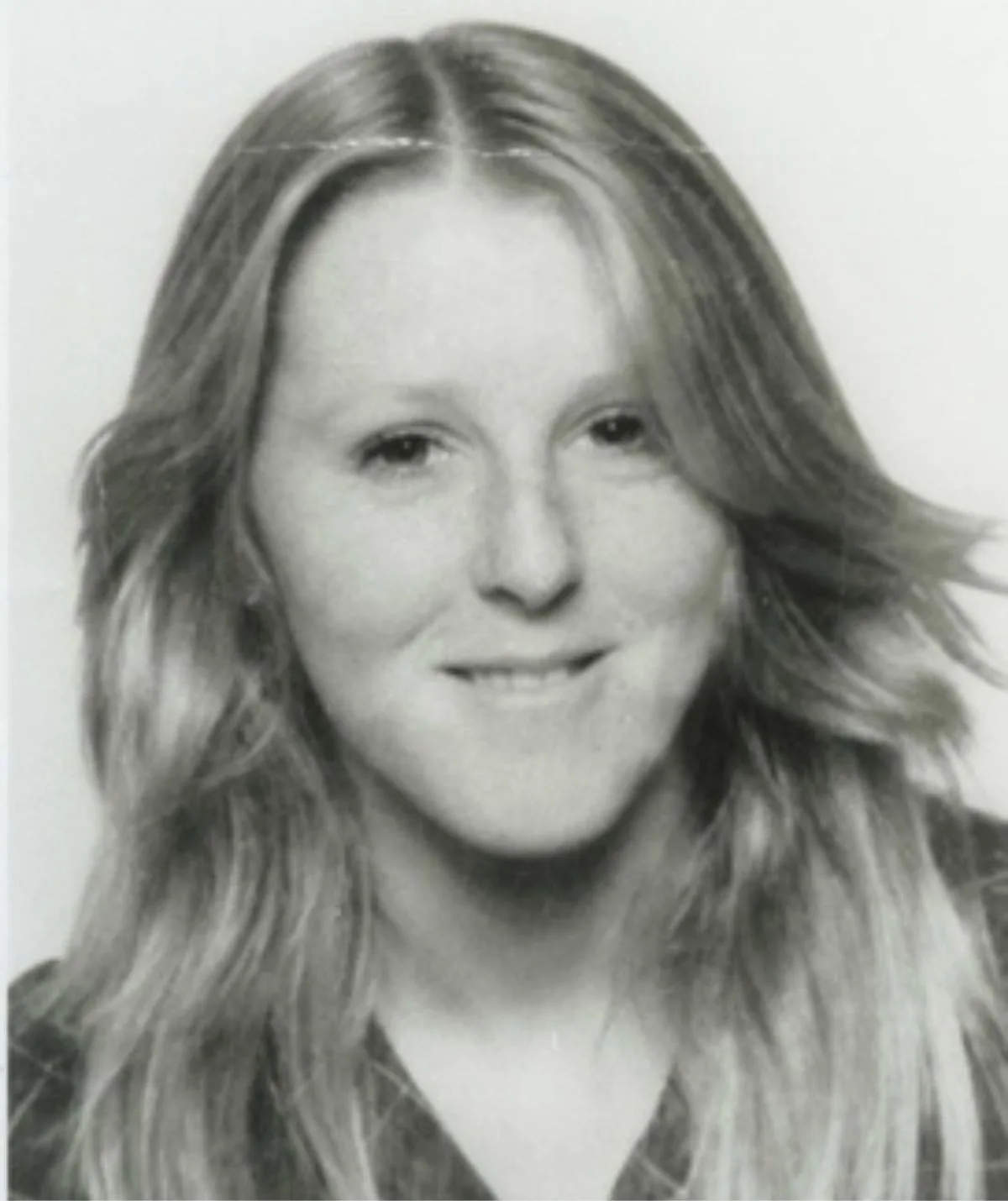
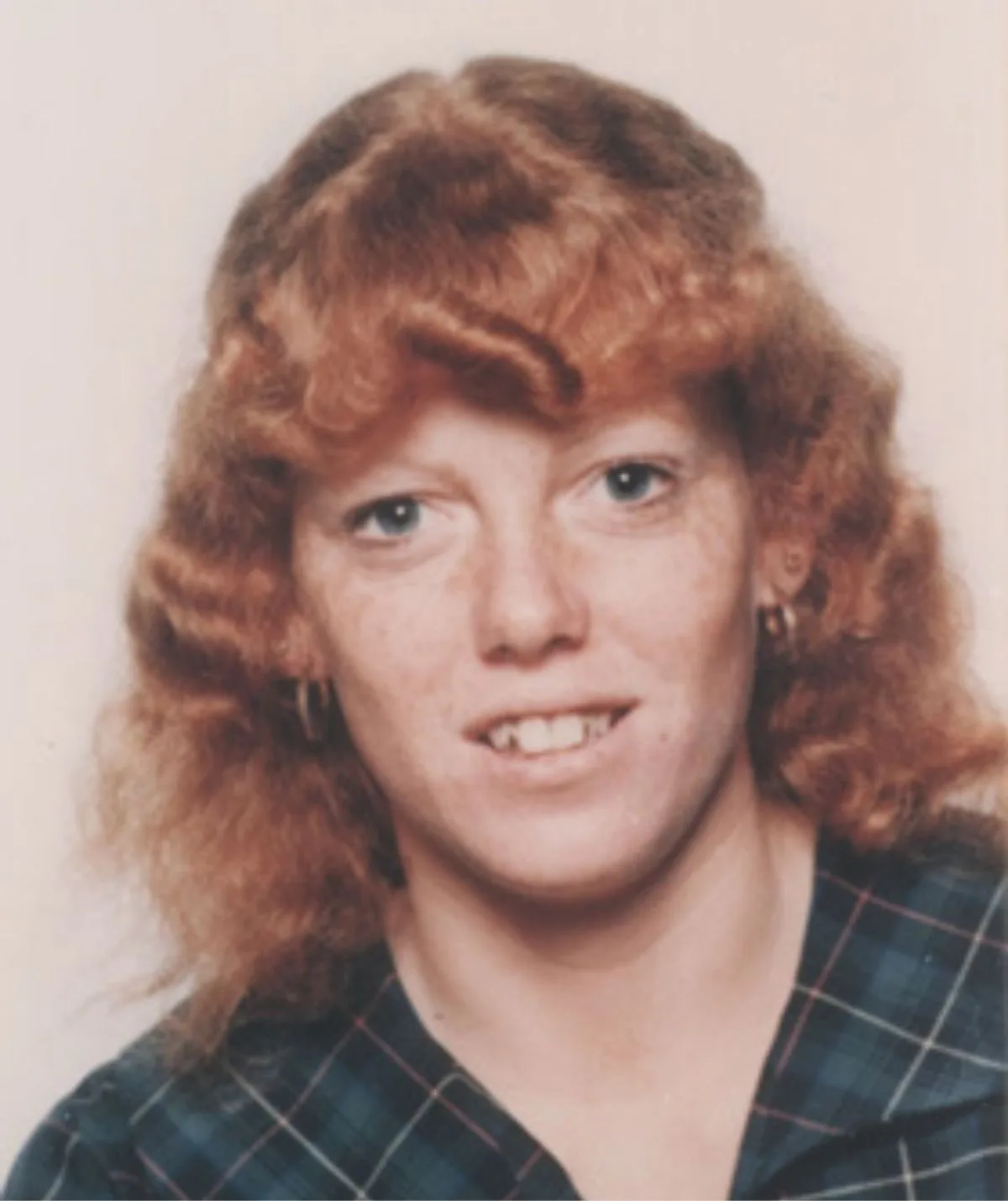
Another case that will be under the microscope is the disappearance of teenage girls Toni Cavanagh and Kay Docherty – who vanished in July 1979 from a bus stop in Warilla, near Wollongong.
An inquest into their disappearance in August 2013 found that Toni and Kay, aged 15 and 16 respectively, had died shortly after their disappearance.
This inquest also heard evidence from investigators that Milat or another killer from Wollongong, Graham Potter, were responsible for the girls’ deaths – but no detailed evidence was provided to support these claims.
AUSTRALIA’S WORST-EVER SERIAL KILLER
When asked about what he thinks the parliamentary inquiry will find, Tim hopes new information that could solve some of these cold cases will surface.
“Now Milat is dead, he’s no longer a threat to anyone – so I hope that people who may have information regarding Milat and his behaviour would feel safer to reveal that information,” says Tim.
“Based on what new information and data is revealed, the police might have another look and open some new inquiries.”
But ultimately, Tim hopes the parliamentary inquiry will provide answers for the loved ones of the 58 murdered or missing persons whose cases remain unsolved.
“Milat may well be Australia’s worst ever serial killer – a ruthless, remorseless sociopath who took his secrets to the grave,” Tim tells.
“The police visited him in the last weeks of his life asking him for information, but he never gave it up. He maintained that he was innocent.”


Share this post